

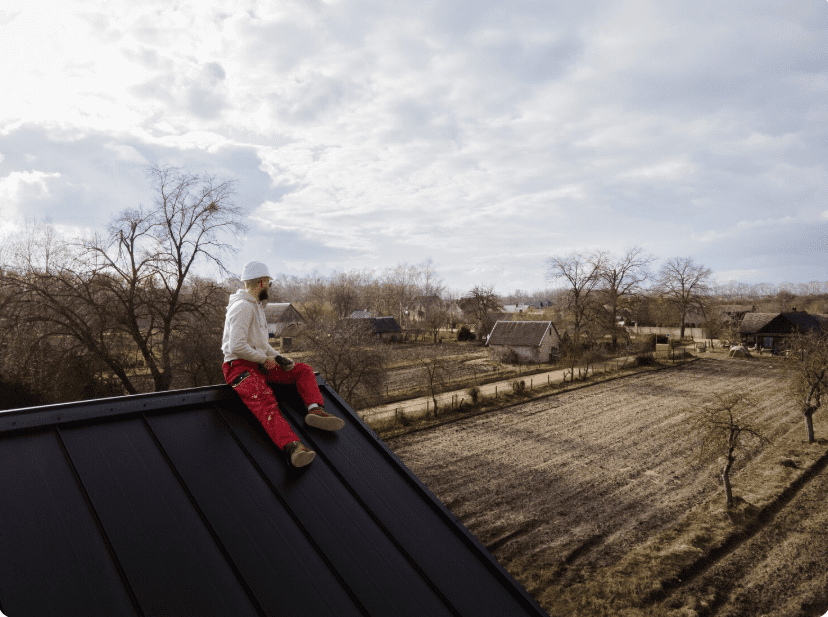
The Colorado roofing industry is entering 2026 in a period of rapid evolution. Driven by increasingly severe weather, rising insurance pressures, and advances in materials and technology, roofing in Colorado looks very different today than it did just a few years ago. Homeowners, contractors, and insurers alike are adapting to a market where durability, performance, and long-term value matter more than ever.
Understanding the trends shaping Colorado roofing in 2026 can help homeowners make smarter decisions—and help contractors stay competitive in a demanding environment.
1. Impact-Resistant Roofing Is Becoming the New Standard
Hail continues to be the single largest driver of roof replacements in Colorado. In response, Class 4 impact-resistant roofing materials are no longer viewed as a premium upgrade—they’re quickly becoming the expectation.
Many insurers now strongly incentivize impact-resistant systems through premium discounts, and some homeowners find that standard shingles simply don’t make financial sense anymore. In 2026, more roofs are being installed with materials designed specifically to withstand hail, wind, and freeze-thaw cycles.
This trend is especially noticeable along the Front Range and in high-hail regions such as the Colorado Springs roofing market, where repeated storm events have reshaped homeowner priorities.
2. Metal Roofing Continues Its Strong Growth
Metal roofing has moved firmly into the mainstream across Colorado. Once considered niche or industrial, modern metal roofing systems are now valued for their longevity, snow-shedding ability, and resistance to hail and fire.
In 2026, homeowners are increasingly willing to invest in metal roofing because:
- It lasts two to three times longer than asphalt
- It performs well under snow load and ice conditions
- It reduces maintenance and replacement frequency
- It aligns with sustainability goals due to recyclability
Standing-seam systems and stone-coated metal profiles are especially popular for both residential and mountain properties.
3. Insurance Pressure Is Influencing Roofing Decisions
Insurance has become a major factor in roofing choices across Colorado. Rising premiums, percentage-based deductibles, and stricter claim evaluations are pushing homeowners toward more resilient roofing systems.
In 2026, many homeowners replace roofs proactively rather than waiting for failure, knowing that:
- Impact-resistant roofs reduce claim risk
- Some materials qualify for ongoing insurance discounts
- Older roofs may receive reduced claim payouts
Roofing decisions are now being made with long-term insurance exposure in mind—not just upfront cost.
4. Roofing Technology Is Becoming More Commonplace
Technology continues to reshape how roofing projects are evaluated and executed. In 2026, many Colorado contractors use:
- Drones for safer, more accurate inspections
- Digital reporting for documentation and insurance claims
- Thermal imaging to identify heat loss and moisture issues
- Project management software for transparency and scheduling
These tools improve accuracy, safety, and homeowner confidence while reducing inspection time and human error.
5. Sustainability and Energy Efficiency Are Growing Priorities
While durability leads the conversation, sustainability is gaining momentum. Homeowners are increasingly interested in:
- Reflective roofing materials that reduce heat absorption
- Metal roofs compatible with solar installations
- Long-life materials that reduce landfill waste
- Improved attic ventilation and insulation systems
Energy-efficient roofing doesn’t just lower environmental impact—it also helps control heating and cooling costs in Colorado’s temperature-extreme climate.
6. Installation Quality Is Under Greater Scrutiny
As materials improve, installation quality has come under sharper focus. In 2026, homeowners are more educated and more selective, asking questions about:
- Wind ratings
- Ice-and-water shield placement
- Ventilation design
- Manufacturer certifications
- Workmanship warranties
Contractors with proven local experience and documented processes are standing out, while low-bid, low-quality operators are increasingly scrutinized.
7. Homeowners Are Thinking Long-Term
Perhaps the biggest trend shaping Colorado roofing in 2026 is a shift in mindset. Homeowners are no longer asking, “What’s the cheapest roof?” Instead, they’re asking:
- How long will this roof last in Colorado weather?
- How will it affect insurance costs?
- What maintenance will it require?
- Will it protect my home during the next decade of storms?
This long-term thinking is driving higher-quality installations and better outcomes statewide.
Final Thoughts
Colorado roofing in 2026 is defined by resilience, intelligence, and value. As storms intensify and insurance pressures rise, homeowners are prioritizing impact resistance, longevity, and proper installation over short-term savings.
From advanced materials to smarter roofing inspections and long-term planning, the roofing market is evolving rapidly—and those who adapt are best positioned to protect their homes and investments for years to come.