

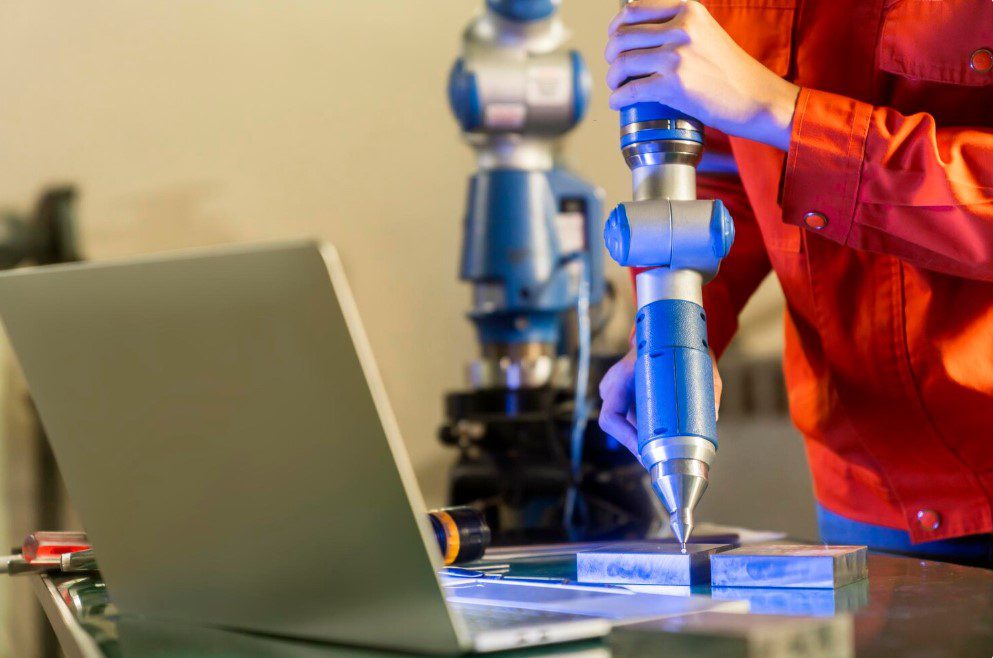
When it comes to construction, renovation, or infrastructure maintenance, precision is the difference between a project that feels effortless and one that spirals into endless complications. Whether the job is repairing essential structural elements or clearing out a space to prepare for something brand new, the right tools and methods turn an overwhelming task into a streamlined process. This philosophy has shaped the evolution of both demolition services and specialized infrastructure repair systems. By putting innovation, accuracy, and safety at the core, these industries prove that progress isn’t just about brute force—it’s about working smarter. Companies at the forefront of these advancements, like mr. manhole exemplifies what it means to combine craftsmanship with cutting-edge technology.
The Role of Precision in Modern Repair and Renewal
Precision doesn’t just speed things up—it safeguards workers, reduces costs, and improves outcomes for everyone involved. Traditional methods of cutting, breaking, or removing structures often came with guesswork, collateral damage, and unnecessary risks. Modern systems, however, are designed with efficiency in mind, ensuring that each cut, removal, or repair is deliberate.
For infrastructure repair, for instance, tool-driven solutions replace outdated chiseling or jackhammering with clean, measured techniques that protect both the worker and the surrounding environment. On the other side, interior demolition is no longer about swinging sledgehammers until the walls give way. It’s about controlled, thoughtful deconstruction that minimizes dust, noise, and waste while making way for a fresh start.
Smarter Demolition: Preparing for What Comes Next
Demolition isn’t about destruction for its own sake. It’s about clearing the way for opportunity. Today’s professional demolition services combine heavy-duty equipment with surgical accuracy. Rather than tearing everything down at once, experts focus on targeted removal—pulling out cabinets, walls, or flooring in stages that allow the rest of the property to remain intact and ready for its transformation.
There’s also an art to doing this safely. By working with proper tools and protective systems, crews reduce hazards like falling debris, unstable flooring, or airborne dust. This not only protects the workers on-site but also ensures that property owners aren’t left with unnecessary damage or inflated cleanup bills. And for homeowners or developers, knowing where to start is half the battle. Many people search for reliable, efficient ways to tear down a house near me because they know the right team will balance speed with precision, leaving a clean slate for what comes next.
Infrastructure Repair: Tools That Do More Than Patch Holes
If demolition clears the stage, infrastructure repair is about ensuring the stage itself is strong and reliable. Underground structures like manholes, access points, and sewer systems are essential to the daily functioning of cities and communities. Yet repairing them has historically been a slow, messy, and even dangerous process.
Modern repair tools transform these jobs by prioritizing both safety and precision. Instead of manually chipping through concrete, technicians now use engineered cutters and sealants that create perfectly uniform openings. This reduces worker strain, speeds up repair time, and ensures the finished result lasts much longer than a traditional patch job. By focusing on uniformity and durability, these systems elevate what used to be repetitive, backbreaking work into a streamlined, almost surgical process.
Innovation at the Heart of Renewal
What unites both infrastructure repair and demolition is innovation. Every advancement in tooling represents a leap forward in safety, speed, and effectiveness. Instead of accepting inefficiency as part of the job, professionals now expect their tools to make work easier, not harder.
Think about how much time is saved when a specialized cutter removes a manhole cover with exact precision compared to hours of manual labor. Or consider the difference between swinging a sledgehammer at a kitchen wall versus using controlled methods that preserve structural elements while eliminating only what’s necessary. Both examples highlight how innovation isn’t about making workers replaceable—it’s about making them more effective, protecting their health, and improving the results for clients.
Why Precision Matters for the Future
At first glance, infrastructure repair and residential demolition might seem like two entirely different industries. But when you look closely, the thread that ties them together is clear: both are about shaping the future by handling the present with care. Whether it’s ensuring underground utilities remain dependable or preparing a property for a complete renovation, precision lays the foundation for progress.
Clients and communities benefit because jobs are completed faster, safer, and with results that last. Workers benefit because tools and techniques reduce risk and physical strain. And the environment benefits, too, as controlled demolition and repair practices minimize waste and prevent unnecessary disruption.
Precision as a Shared Language
The story of modern repair and renewal is ultimately one of evolution. By trading in brute force for carefully designed tools, industries once defined by hard labor and unpredictability are now guided by accuracy, safety, and confidence. From the underground systems that keep cities moving to the demolition work that clears the way for beautiful new spaces, precision has become the common language of progress.
It’s no longer enough to simply get the job done. The question today is: can it be done smarter, faster, and safer? Thanks to innovations in tool-driven solutions, the answer is a resounding yes. And whether it’s restoring vital infrastructure or tearing down outdated structures, the future of construction and repair rests in the hands of those who know how to wield precision like a craft.